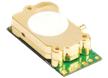

PS4-H2-50K

Amphenol SGX Sensortech
523-PS4-H2-50K
PS4-H2-50K

Nsx:

Mô tả:
Air Quality Sensors PS4 Series Solid Polymer Gas Sensor Hydrogen 50Kppm

Tuổi thọ:
Sản phẩm Mới:
Mới từ nhà sản xuất này.
Mô hình ECAD:
Tải xuống Thư viện Tải miễn phí để chuyển đổi tệp tin này cho Công cụ ECAD của bạn. Tìm hiểu thêm về Mô hình ECAD.

Có hàng: 1

Tồn kho:
1 Có thể Giao hàng Ngay
Thời gian sản xuất của nhà máy:
9 Tuần Thời gian sản xuất tại nhà máy dự kiến để có số lượng lớn hơn mức hiển thị.
Tối thiểu: 1   Nhiều: 1
Đơn giá:
$-.--
Thành tiền:
$-.--
Dự kiến Thuế quan:

Giá (USD)

Số lượng Đơn giá
Thành tiền
$252.97 $252.97
$213.44 $1,067.20
$198.35 $1,983.50
$181.84 $4,546.00
$179.39 $8,969.50
100 Báo giá

Đặc tính Sản phẩm Thuộc tính giá trị Chọn thuộc tính
Amphenol
Danh mục Sản phẩm: Cảm biến chất lượng không khí
RoHS:  
Solid Polymer 4-series
Hydrogen
0 PPM
50000 PPM
Analog
PS4 Series
Nhãn hiệu: Amphenol SGX Sensortech
Loại sản phẩm: Air Quality Sensors
Số lượng Kiện Gốc: 1
Danh mục phụ: Sensors
Đã tìm thấy các sản phẩm:
Để hiển thị sản phẩm tương tự, hãy chọn ít nhất một ô
Chọn ít nhất một hộp kiểm ở trên để hiển thị các sản phẩm tương tự trong danh mục này.
Các thuộc tính đã chọn: 0

CAHTS:
9027100010
USHTS:
9027102000
JPHTS:
902710000
KRHTS:
9027100000
MXHTS:
9027100100
BRHTS:
90271000
ECCN:
EAR99

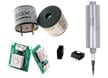
Solid Polymer Electrochemical Gas Sensors

Amphenol SGX Sensortech Solid Polymer Electrochemical Gas Sensors are designed to detect a wide range of gases, including carbon monoxide, chlorine, and volatile organic compounds (VOCs), as well as humidity and particulates. These sensors are based on the principle of electrochemical catalytic reaction. The sensor responds to the target gas and delivers a very small current proportional to the gas concentration. The series utilizes a dry core design featuring three electrodes in contact with the solid electrochemical material. A typical electrode consists of a surface area of precious metal and other materials. The electrode, electrochemical cell, and surrounding air are in contact, allowing the gas to diffuse through the porous membrane into the sensor's working electrode. At this working electrode, the gas is oxidized or reduced.