
AMI-4440-TT-C

PUI Audio
665-AMI-4440-TT-C
AMI-4440-TT-C

Nsx:

Mô tả:
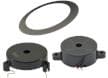
Buzzers & Audio Indicators - Board Mount 44MM MEDICAL INDICATOR 80DB IEC 60601-1-8 Cardio

Tuổi thọ:
Sản phẩm Mới:
Mới từ nhà sản xuất này.
Mô hình ECAD:
Tải xuống Thư viện Tải miễn phí để chuyển đổi tệp tin này cho Công cụ ECAD của bạn. Tìm hiểu thêm về Mô hình ECAD.

Có hàng: 69

Tồn kho:
69 Có thể Giao hàng Ngay
Tối thiểu: 1   Nhiều: 1
Đơn giá:
$-.--
Thành tiền:
$-.--
Dự kiến Thuế quan:

Giá (USD)

Số lượng Đơn giá
Thành tiền
$19.50 $19.50
$15.33 $153.30
$13.94 $348.50
$13.45 $672.50
$12.98 $934.56

Đặc tính Sản phẩm Thuộc tính giá trị Chọn thuộc tính
PUI Audio
Danh mục Sản phẩm: Máy rung & Báo hiệu âm thanh - Gắn bo mạch
Nhãn hiệu: PUI Audio
Định mức dòng: 150 mA
Đường kính: 44 mm
Tần số: 150 Hz to 4 kHz
Chiều cao: 10.25 mm
Kiểu gắn: PCB Mount
Đóng gói: Tray
Sản phẩm: Indicators
Loại sản phẩm: Audio Indicators & Alerts
Mức áp suất âm thanh: 80 dBA to 90 dBA
Số lượng Kiện Gốc: 72
Danh mục phụ: Audio Devices
Kiểu chấm dứt: Solder
Âm: Cardiovascular
Loại: Piezoelectric
Định mức điện áp: 5 V
Đã tìm thấy các sản phẩm:
Để hiển thị sản phẩm tương tự, hãy chọn ít nhất một ô
Chọn ít nhất một hộp kiểm ở trên để hiển thị các sản phẩm tương tự trong danh mục này.
Các thuộc tính đã chọn: 0

USHTS:
8531809041
TARIC:
8531809540
ECCN:
EAR99

IEC 60601-1-8 Medical Audio Indicators

PUI Audio IEC 60601-1-8 Medical Audio Indicators regulate alarm signals in medical environments where multiple instruments simultaneously create audible alarms in the same room. These piezoelectric audio indicators feature a 3.3VDC to 5VDC operating voltage range, 20mA active current, 12mA standby current, and a frequency range of 150Hz to 4000Hz. The IEC 60601-1-8 audio indicators replaced the priority/note system with auditory icons and auditory pointers. The auditory icons utilize everyday sounds to enhance recognition and localization, and the auditory pointers identify the device and alarm priority. These audio indicators include three priority levels (low, medium, and high) to convey the appropriate urgency when the alarm is triggered. Typical applications include general, cardiovascular, oxygenation, and ventilation alarms.