

ADL9006-EVALZ

Analog Devices
584-ADL9006-EVALZ
ADL9006-EVALZ

Nsx:

Mô tả:
RF Development Tools Eval Board

Sẵn có

Tồn kho:
Không Lưu kho
Thời gian sản xuất của nhà máy:
10 Tuần Thời gian sản xuất tại nhà máy dự kiến.
Tối thiểu: 1   Nhiều: 1
Đơn giá:
$-.--
Thành tiền:
$-.--
Dự kiến Thuế quan:

Giá (USD)

Số lượng Đơn giá
Thành tiền
$1,007.77 $1,007.77

Đặc tính Sản phẩm Thuộc tính giá trị Chọn thuộc tính
Analog Devices Inc.
Danh mục Sản phẩm: Công cụ phát triển RF
RoHS:  
Evaluation Boards
RF Amplifier
ADL9006
2 GHz to 28 GHz
Nhãn hiệu: Analog Devices
Nhiệt độ làm việc tối đa: + 85 C
Nhiệt độ làm việc tối thiểu: - 40 C
Điện áp cấp vận hành: 5 V
Đóng gói: Bulk
Loại sản phẩm: RF Development Tools
Số lượng Kiện Gốc: 1
Danh mục phụ: Development Tools
Đã tìm thấy các sản phẩm:
Để hiển thị sản phẩm tương tự, hãy chọn ít nhất một ô
Chọn ít nhất một hộp kiểm ở trên để hiển thị các sản phẩm tương tự trong danh mục này.
Các thuộc tính đã chọn: 0

CNHTS:
8543709990
CAHTS:
8543900000
USHTS:
8543906800
JPHTS:
854390000
TARIC:
8543900000
MXHTS:
8543900100
ECCN:
EAR99

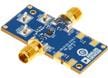
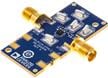
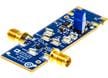
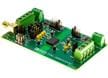
ADL9006-EVALZ Amplifier Evaluation Board

Analog Devices ADL9006-EVALZ Amplifier Evaluation Board consists of a 2-layer printed circuit board (PCB) fabricated from 10mil thick Rogers 4350, copper-clad, mounted to an aluminum heat sink. The heat sink provides thermal relief to the device and mechanical support to the PCB. Mounting holes on the heat sink allow attachment to larger heat sinks for improved thermal management. The RFIN and RFOUT ports on the ADL9006-EVALZ are populated with 2.9mm female coaxial connectors, and the respective RF traces have a 50Ω characteristic impedance. The Analog Devices ADL9006-EVALZ is populated with components suitable for use over the entire -40°C to +85°C operating temperature range of the ADL9006. A through calibration path, THRU CAL, is provided between the J5 and J6 connectors to calibrate outboard trace losses. J5 and J6 must be populated with RF connectors to be used through the calibration path. The power, ground, gate control, and detector output voltages are accessed through two 4-pin headers.