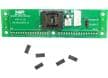

FRDM-HB2002ESEVM

NXP Semiconductors
771-FRDM-HB2002ESEVM
FRDM-HB2002ESEVM

Nsx:

Mô tả:
Power Management IC Development Tools FRDM Platform for HB2002 HVQFN, 10 A H-Bridge

Sẵn có

Tồn kho:
Không Lưu kho
Thời gian sản xuất của nhà máy:
15 Tuần Thời gian sản xuất tại nhà máy dự kiến.
Tối thiểu: 1   Nhiều: 1
Đơn giá:
$-.--
Thành tiền:
$-.--
Dự kiến Thuế quan:

Giá (USD)

Số lượng Đơn giá
Thành tiền
$26.88 $26.88

Đặc tính Sản phẩm Thuộc tính giá trị Chọn thuộc tính
NXP
Danh mục Sản phẩm: Công cụ phát triển IC quản lý nguồn
RoHS:  
Evaluation Modules
Motor/Motion Controller & Driver
5 V to 40 V
5 V
MC33HB2002
Nhãn hiệu: NXP Semiconductors
Loại giao diện: SPI
Dòng đầu ra: 5 A
Loại sản phẩm: Power Management IC Development Tools
Số lượng Kiện Gốc: 1
Danh mục phụ: Development Tools
Mã Bí danh: 935368109598
Đã tìm thấy các sản phẩm:
Để hiển thị sản phẩm tương tự, hãy chọn ít nhất một ô
Chọn ít nhất một hộp kiểm ở trên để hiển thị các sản phẩm tương tự trong danh mục này.
Các thuộc tính đã chọn: 0

CNHTS:
8543709990
USHTS:
8473301180
TARIC:
8473302000
ECCN:
EAR99

FRDM Development Boards

NXP Semiconductors FRDM Development Boards include low-cost, compact MCU and MPU boards with an easy development journey and an extensive ecosystem to simplify user designs. The FRDM ecosystem includes comprehensive software/tools, modular hardware, and access to solution-driven examples.

FRDM-HB2002ESEVM Evaluation Kit

NXP Semiconductors FRDM-HB2002ESEVM Evaluation Kit features all the functionality of the MC33HB2002 H-bridge motor driver IC. This NXP kit includes the FRDM-KL25Z controller and communicates via USB to the SPIGen graphical user interface. The FRDM-HB2002ESEVM board has built-in reverse battery protection and voltage regulator to supply logic-level circuitry. This evaluation kit involves the current feedback network for real-time load current monitoring by MCU ADC and test points that allow signal probing. The FRDM-HB2002ESEVM board has a low ESR capacitor to reduce ripple in the power supply and TVS protection diode to handle system-level transients.