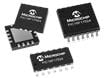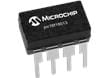

PIC18F2520-E/ML

Microchip Technology
579-PIC18F2520-E/ML
PIC18F2520-E/ML

Nsx:

Mô tả:
8-bit Microcontrollers - MCU 32KB 3968 RAM 25I/O

Mô hình ECAD:
Tải xuống Thư viện Tải miễn phí để chuyển đổi tệp tin này cho Công cụ ECAD của bạn. Tìm hiểu thêm về Mô hình ECAD.

Có hàng: 2,243

Tồn kho:
2,243 Có thể Giao hàng Ngay
Thời gian sản xuất của nhà máy:
4 Tuần Thời gian sản xuất tại nhà máy dự kiến để có số lượng lớn hơn mức hiển thị.
Tối thiểu: 1   Nhiều: 1
Đơn giá:
$-.--
Thành tiền:
$-.--
Dự kiến Thuế quan:

Giá (USD)

Số lượng Đơn giá
Thành tiền
$6.89 $6.89
$6.88 $7,134.56
5,002 Báo giá

Đặc tính Sản phẩm Thuộc tính giá trị Chọn thuộc tính
Microchip
Danh mục Sản phẩm: Bộ vi điều khiển 8 bit - MCU
RoHS:  
PIC18
32 kB
1.5 kB
QFN-28
40 MHz
10 bit
25 I/O
2 V
5.5 V
SMD/SMT
8 bit
- 40 C
+ 125 C
PIC18(L)Fxx20
Tube
Nhãn hiệu: Microchip Technology
Loại RAM dữ liệu: SRAM
Kích thước ROM dữ liệu: 256 B
Loại ROM dữ liệu: EEPROM
Loại giao diện: I2C, MSSP, PSP, SPI, USART
Nhạy với độ ẩm: Yes
Số lượng kênh ADC: 10 Channel
Số bộ hẹn giờ/bộ đếm: 4 Timer
Sê-ri bộ xử lý: PIC18
Sản phẩm: MCUs
Loại sản phẩm: 8-bit Microcontrollers - MCU
Loại bộ nhớ chương trình: Flash
Số lượng Kiện Gốc: 61
Danh mục phụ: Microcontrollers - MCU
Thương hiệu: PIC
Đơn vị Khối lượng: 70.800 mg
Đã tìm thấy các sản phẩm:
Để hiển thị sản phẩm tương tự, hãy chọn ít nhất một ô
Chọn ít nhất một hộp kiểm ở trên để hiển thị các sản phẩm tương tự trong danh mục này.
Các thuộc tính đã chọn: 0

Chức năng này cần phải bật JavaScript.

CNHTS:
8542319092
CAHTS:
8542310000
USHTS:
8542310075
JPHTS:
8542310324
KRHTS:
8542311000
TARIC:
8542319000
MXHTS:
8542310399
ECCN:
3A991.a.2

Functional Safety Solutions

Microchip Technology Functional Safety Solutions offer robustness, reliability, and safety to end-products. In some application segments, these requirements are formalized and mandatory, while in others, they are implemented to differentiate the product and take the step from a good product to an excellent product. The standards for functional safety depend on the market that is targeted. Many standards support multiple levels of rigorousness, which are applied depending on the likelihood and severity of the hazard. The methods of addressing hazards range from detecting single failures and putting the system into a safe state to full redundancy, where failures should not only be detected but also corrected without any interruption or degradation of service.